The Basics of Creating a Good Brisket Rub
Opening: Savor the Flavor of Tradition
There’s something truly special about creating a good brisket rub that turns a simple cut of meat into the centerpiece of any gathering. Imagine the rich aroma wafting through your kitchen, the satisfying bark forming on the brisket, and the first juicy bite that bursts with smoky, savory flavors. When you master the art of a good brisket rub, you’re not just seasoning meat—you’re creating memories and bringing people closer with every bite.
What is a Good Brisket Rub? Understanding Its Role in Flavor
A brisket rub is your secret weapon in elevating the humble brisket from ordinary to extraordinary. It’s a thoughtfully blended mix of spices designed to enhance the meat’s natural flavors while crafting a delicious, caramelized crust known as the bark. Think of it as the flavor foundation that defines your brisket, setting the tone for the entire meal.
A good brisket rub balances salt, sweetness, heat, and earthiness, creating a complex flavor profile. Classic dry rubs often lean on kosher salt and black pepper, reflecting traditional Texas BBQ roots, but the possibilities for flavor innovation are vast.
Essential Ingredients for a Good Brisket Rub
Creating your perfect brisket rub starts with gathering the right ingredients. Having quality spices on hand is key to success.
Core Ingredients Everyone Should Have
- Kosher salt: The base, crucial for seasoning and moisture retention.
- Coarse black pepper: Adds heat and crunch to the bark.
- Garlic powder: For savory depth.
- Onion powder: Adds a subtle sweetness and complexity.
- Paprika: Imparts color and a mild smoky tone.
- Cayenne pepper: Optional for a gentle kick.
Optional Add-Ins for Flavor Boost
- Brown sugar: For a touch of sweetness and caramelization (use sparingly to avoid burning).
- Ground coriander and cumin: Adds earthiness and warmth.
- Mustard powder: Brings a tangy sharpness.
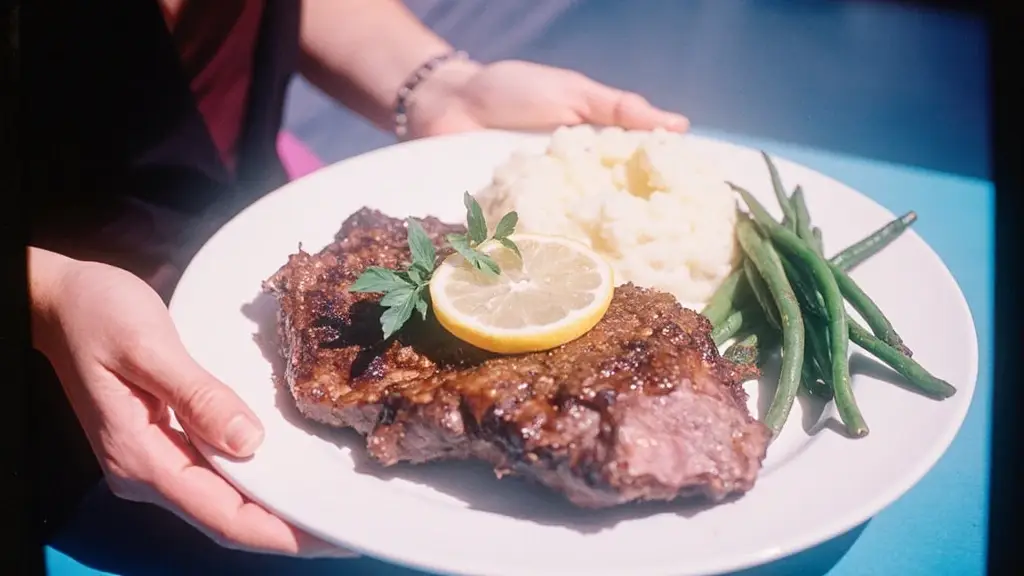
Ingredient Table
| Ingredient | Amount | Purpose |
|---|---|---|
| Kosher salt | 1/3 cup | Enhances flavor, tenderizes meat |
| Coarse black pepper | 1/3 cup | Adds heat and texture to bark |
| Granulated garlic | 1/3 cup | Deep savory notes |
| Paprika | 1/3 cup | Adds vibrant color and subtle smoke |
| Onion powder | 2 tbsp | Sweet and savory flavor |
| Cayenne pepper | 1/2 tsp | Adds mild heat |
Step-by-Step Guide to Making Your Brisket Rub
Making your brisket rub is simple and rewarding. Start by measuring out your spices, then mix them thoroughly to ensure consistent flavor in every pinch. For a fine blend, press any clumps through a sieve or crush with your fingers. Store your rub in an airtight container away from direct sunlight, keeping it fresh for several months. Making your rub in batches ensures you’re always ready for your next cookout.
How to Apply a Good Brisket Rub for Ultimate Flavor
Preparing Your Brisket
The first step is prepping your meat. Trim excess fat to about a quarter-inch to allow the rub to penetrate and bark to develop without being overwhelmed by grease. Pat the brisket dry with paper towels to help the rub stick better.
Applying the Rub
Apply a binder like olive oil, yellow mustard, or even beef broth to create a tacky surface. This binder doesn’t add strong flavors but helps the rub adhere. Generously coat the brisket on all sides with your rub, about one tablespoon per pound of meat. Make sure to cover edges and the fat cap entirely.
Let it Rest
For the best results, let your brisket sit with the rub for at least one hour, but ideally overnight in the refrigerator. This resting time works like a dry brine, enhancing flavor and tenderness.
Cooking Tips
Low and slow wins the race. Smoke your brisket at 225–250°F to allow the rub to form a perfect bark while the meat cooks tender. Rest your brisket after cooking, tented loosely with foil, for at least 30 minutes to lock in juices.
Common Mistakes to Avoid When Using a Brisket Rub
- Over-salting: Balance is key; too much salt can overpower the meat.
- Using fine salt instead of kosher salt: Fine salt dissolves too quickly, losing the texture and slow flavor release that kosher salt provides.
- Applying the rub too late: Immediate cooking doesn’t allow the rub time to season the meat deeply.
- Overusing sugar: Too much sugar can burn, resulting in bitter flavors.
FAQ – The Basics of Creating a Good Brisket Rub
- What makes a good brisket rub?
A good rub balances salt, savory spices, and optional heat or sweetness to complement and enhance the brisket’s natural flavor. - Can I use a brisket rub on other meats?
Absolutely! This rub also works well on pork, chicken, or even vegetables for a smoky, seasoned boost. - How long before cooking should I apply the rub?
For best flavor absorption, apply the rub at least one hour before cooking, preferably overnight. - Is it necessary to use a binder for the rub?
While not strictly necessary, a binder ensures even coverage and better bark formation. - What’s the difference between a dry rub and a marinade?
A dry rub is a seasoning mix applied externally with little to no liquid, while a marinade soaks the meat in a flavored liquid.
Conclusion
Crafting a good brisket rub is one of the most satisfying ways to elevate your BBQ game. By balancing the right spices, applying the rub thoughtfully, and allowing time for seasoning and cooking, you ensure your brisket delivers rich flavor, juicy tenderness, and that coveted smoky bark. Get started today with your own blend, experiment with ingredients, and delight your friends and family with brisket that truly stands out. Your perfect brisket rub awaits—prepare, season, and savor every bite!
Would you like a printable brisket rub recipe or tips on pairing your brisket with classic sides? Share your questions and experiences below!



Leave a Reply