Introduction
Tired of tough, chewy chicken fried steak with soggy breading that falls off in sad clumps? You’re not alone. Most home cooks struggle to replicate that crispy, golden crust and tender meat you find at authentic Southern diners. The good news? Making restaurant-quality chicken fried steak at home is completely achievable once you understand the secrets that Southern chefs have perfected over generations.
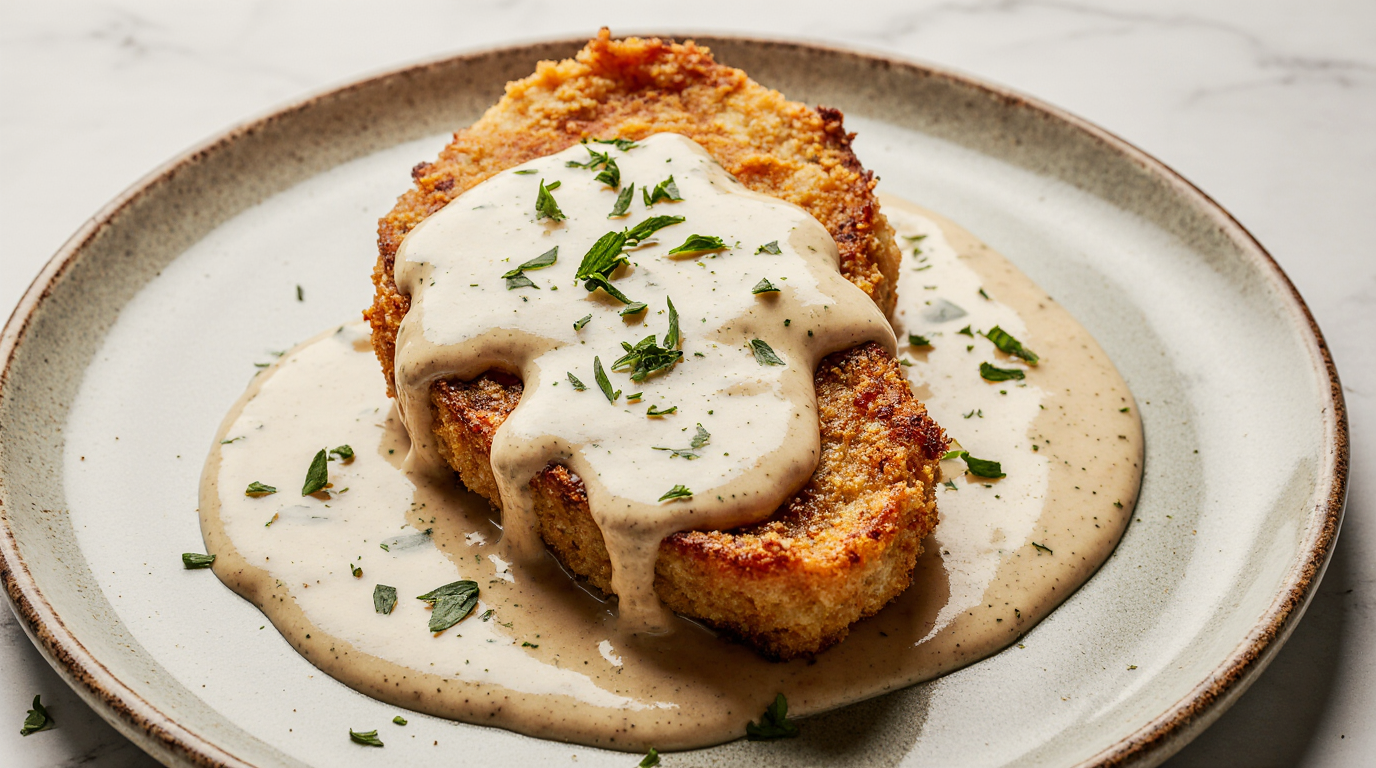
This guide delivers a chicken fried steak with an impossibly crispy, perfectly seasoned crust that shatters with each bite, revealing fork-tender beef underneath. The peppery cream gravy clings to every ridge and valley of that golden breading, creating the ultimate comfort food experience. Your family won’t believe this came from your kitchen instead of their favorite diner.
As someone who grew up in Texas eating chicken fried steak at church potlucks, county fairs, and family Sunday dinners, I’ve spent years perfecting this recipe. I’ve tested dozens of variations, interviewed grandmother cooks, and refined every step until this chicken fried steak rivals anything you’ll find at legendary Southern restaurants. The result is a foolproof method that works every single time.
In the sections below, you’ll discover how to select and prepare the perfect cut of beef, create a breading system that stays crispy for hours, master the frying technique for even golden color, make silky country gravy from pan drippings, and troubleshoot common mistakes that ruin chicken fried steak. Let’s transform your kitchen into a Southern diner.
Why This Chicken Fried Steak Recipe Works
This chicken fried steak recipe has become a weeknight staple for thousands of home cooks because it delivers on three crucial promises: incredible flavor, surprising convenience, and versatile adaptability. Here’s why this recipe belongs in your regular rotation:
- Uses affordable, easy-to-find cuts of beef – This chicken fried steak recipe transforms inexpensive cube steak into something spectacular. No need for expensive cuts when proper technique creates tender, flavorful results. Cube steak costs a fraction of premium beef yet delivers satisfying, hearty meals.
- Comes together faster than you expect – Despite its restaurant-quality results, this chicken fried steak takes only 30-40 minutes from start to finish. The breading station sets up in minutes, frying happens quickly, and gravy comes together while the meat rests. Perfect for weeknights when you need impressive food fast.
- Perfect for weeknights or weekend entertaining – This chicken fried steak scales beautifully whether cooking for two or feeding a crowd. The recipe doubles easily for Sunday dinners, yet works just as well for a Tuesday night comfort food craving. Keep the breading components prepped in your pantry for spontaneous chicken fried steak whenever the mood strikes.
- Delivers authentic Southern flavor without complexity – You don’t need specialty ingredients or advanced techniques for this chicken fried steak. Simple pantry staples and straightforward methods produce the crispy, peppery, cream-gravy-drenched perfection that defines great Southern cooking.
Choosing the Right Meat for Chicken Fried Steak
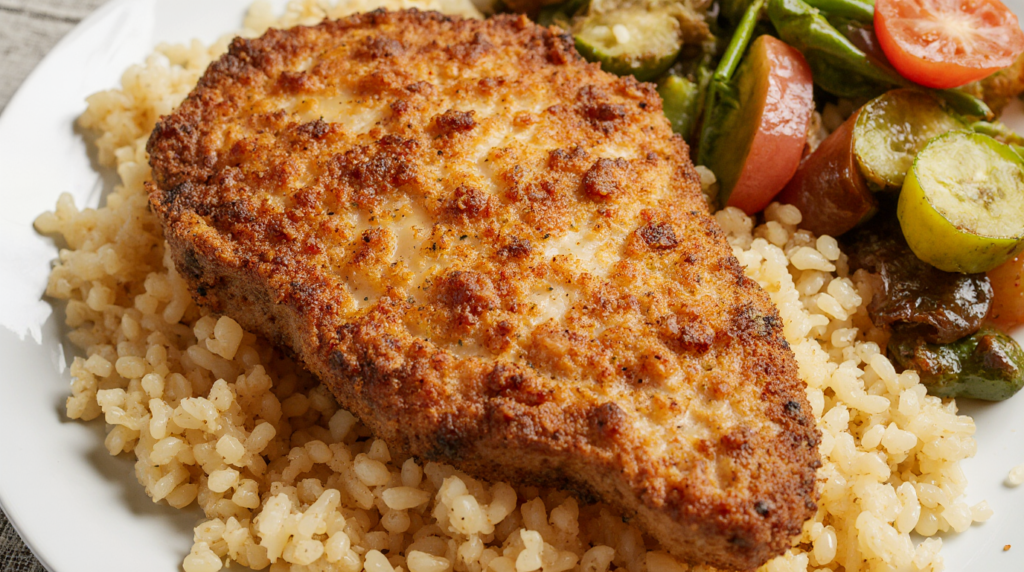
The foundation of exceptional chicken fried steak starts with selecting the right cut of beef. While the name suggests chicken, this dish is 100% beef—specifically, beef that’s been tenderized to create a texture reminiscent of fried chicken. Understanding which cuts work best and why transforms your chicken fried steak from mediocre to memorable.
Best Cuts for Chicken Fried Steak
Cube Steak (Pre-Tenderized Round Steak) is the traditional choice for authentic chicken fried steak. This cut comes from the round (the rear leg of the cow) and has been mechanically tenderized, creating those distinctive cube-shaped indentations across the surface. The tenderizing process breaks down tough muscle fibers, which is essential since round steak is naturally one of the tougher cuts. Cube steak for chicken fried steak should be about ¼ to ½ inch thick—thin enough to cook quickly but thick enough to stay juicy inside that crispy coating.
Round Steak (Top Round or Bottom Round) works beautifully if you can’t find pre-cubed steak for your chicken fried steak. You’ll need to tenderize it yourself using a meat mallet. Top round tends to be slightly more tender than bottom round, but both work. When making chicken fried steak from round steak, pound it to ¼-inch thickness, which simultaneously tenderizes and creates the ideal thickness for even cooking.
Sirloin Steak offers a slightly more premium option for chicken fried steak. While less traditional, sirloin’s natural tenderness means you can skip aggressive tenderizing. The trade-off is higher cost—sirloin typically costs twice as much as cube steak. For special occasion chicken fried steak or when you want to splurge, sirloin delivers exceptional results with less prep work.
Chuck Steak provides a budget alternative with good flavor for chicken fried steak. Chuck comes from the shoulder and contains more fat and connective tissue than round, which translates to richer flavor. However, chuck requires thorough tenderizing for chicken fried steak since it’s naturally quite tough. Pound it aggressively and consider a brief marinade in buttermilk for optimal tenderness.
Buying Tips for Perfect Chicken Fried Steak
When shopping for meat to make chicken fried steak, look for beef with a bright cherry-red color. Avoid any meat with brown or gray patches, which indicate oxidation and age. The meat for chicken fried steak should look fresh and moist, never dry or sticky.
Ask your butcher to run round steak through the cubing machine if pre-cubed steak isn’t available. Most butchers will happily do this for chicken fried steak, and the fresh cubing makes a noticeable difference compared to pre-packaged cube steak that’s been sitting in the case for days.
Check the thickness carefully. Ideal cube steak for chicken fried steak measures between ¼ and ½ inch thick. Thinner pieces cook too fast and dry out before developing proper crust. Thicker pieces don’t cook through by the time the breading reaches perfect golden brown.
Buy cube steak for chicken fried steak the day you plan to cook it, or freeze it immediately if buying in advance. Cube steak has increased surface area from the tenderizing process, which means it oxidizes and spoils faster than intact cuts. Fresh is always best for chicken fried steak.
Smart Substitutions for Chicken Fried Steak
Can’t find cube steak? Buy top round steak and tenderize it yourself with a meat mallet for chicken fried steak. Place the steak between plastic wrap and pound with the textured side of the mallet until ¼-inch thick. This DIY approach often yields better results than pre-packaged cube steak since you control the freshness and thickness.
Pork cutlets work as a substitute in chicken fried steak if you’re looking for variety or prefer pork. The technique remains identical—bread and fry the same way. Pork cutlets tend to be naturally more tender than beef, requiring less aggressive tenderizing for successful chicken fried steak variations.
For a truly economical version, use chicken breast pounded thin. While this technically becomes actual fried chicken rather than chicken fried steak, the breading and gravy technique translates perfectly. You’ll need slightly less cooking time since chicken breast is leaner and cooks faster than beef.

Ingredients & Prep for Chicken Fried Steak
Success in chicken fried steak begins long before the meat hits hot oil. Proper preparation separates restaurant-quality results from disappointing home attempts. Every step matters when creating that signature crispy crust and tender interior that defines great chicken fried steak.
Meat Prep Essentials for Chicken Fried Steak
Pat Completely Dry – Moisture is the enemy of crispy chicken fried steak breading. Use paper towels to thoroughly pat cube steak dry on all surfaces. Even slightly damp meat creates steam during frying, which prevents proper browning and causes breading to slide off your chicken fried steak.
Tenderize If Needed – If your cube steak looks lightly tenderized or you’re using round steak, tenderize more aggressively. Place meat between sheets of plastic wrap and pound with a meat mallet until ¼-inch thick and the texture looks almost shredded. This extra tenderizing guarantees fork-tender chicken fried steak. The more you break down those muscle fibers, the more tender your finished chicken fried steak becomes.
Season the Meat Directly – Before breading, season your cube steak generously with salt and pepper. This builds flavor from the inside out in your chicken fried steak. Many cooks only season the breading, but seasoning the actual beef creates deeper, more complex flavor that makes your chicken fried steak memorable.
Bring to Room Temperature – Remove cube steak from the refrigerator 20 minutes before cooking chicken fried steak. Cold meat straight from the fridge causes several problems: it takes longer to cook through, the center may stay cold while the breading burns, and you’re more likely to end up with overcooked edges and undercooked centers in your chicken fried steak.
Breading Station for Crispy Chicken Fried Steak
The three-bowl breading system is non-negotiable for chicken fried steak. This setup ensures even coating and maximum crispiness:
Bowl 1 – Seasoned Flour
- 2 cups all-purpose flour
- 2 teaspoons salt
- 1 teaspoon black pepper
- 1 teaspoon garlic powder
- 1 teaspoon paprika
- ½ teaspoon cayenne pepper (optional)
This seasoned flour creates the foundation and final coating for chicken fried steak. The spices distribute flavor throughout the crispy crust.
Bowl 2 – Buttermilk Mixture
- 1½ cups buttermilk
- 2 large eggs
- 1 tablespoon hot sauce (optional but recommended)
Buttermilk is crucial for authentic chicken fried steak. The acidity tenderizes the meat slightly while helping breading adhere. The proteins in eggs act as glue, binding flour to meat. Hot sauce adds subtle heat and complexity to your chicken fried steak without making it spicy.
Bowl 3 – Final Seasoned Flour
- Same mixture as Bowl 1
Having two separate seasoned flour stations prevents the breading from getting clumpy with buttermilk drips, which ruins the texture of chicken fried steak breading.
Essential Pantry Staples for Chicken Fried Steak
Beyond the breading, you’ll need:
- Neutral frying oil – Vegetable oil, canola oil, or peanut oil work best for frying chicken fried steak. You need an oil with a high smoke point that won’t impart flavor. Plan on 1-2 inches of oil in your skillet for proper frying depth.
- Butter for gravy – Use real butter, not margarine, for rich country gravy. The butter creates the roux that thickens your gravy and adds essential flavor to complement the chicken fried steak.
- Whole milk for gravy – Whole milk creates the creamiest country gravy. Lower-fat milk produces thin, watery gravy that doesn’t coat chicken fried steak properly. The fat content matters significantly.
- Black pepper – Coarsely ground black pepper is essential for authentic peppery country gravy. Buy whole peppercorns and grind them fresh for maximum flavor impact in your chicken fried steak gravy.
Step-by-Step Instructions for Perfect Chicken Fried Steak
These instructions produce restaurant-quality chicken fried steak with crispy golden breading and fork-tender meat every single time. Follow each step carefully, especially if you’re new to making chicken fried steak.
Pre-Cooking Prep for Chicken Fried Steak
Set up your breading station with three shallow bowls or pie plates in a row. This assembly line approach makes coating chicken fried steak efficient and neat. Place your seasoned flour in the first and third bowls, buttermilk mixture in the middle bowl.
Pat your cube steak completely dry with paper towels. Season both sides with salt and pepper. Let the seasoned meat sit at room temperature for 15-20 minutes while you prepare everything else for your chicken fried steak.
Line a plate with paper towels for draining finished chicken fried steak. Set up a wire rack over a baking sheet as a secondary landing spot—this keeps the bottom of your chicken fried steak crispy instead of getting soggy against the plate.
Pour oil into a large cast-iron skillet or heavy-bottomed pan to a depth of about 1 inch for frying chicken fried steak. Heat over medium-high heat until oil reaches 350-375°F. Use a thermometer for accuracy—this temperature range is crucial for crispy, non-greasy chicken fried steak.
Breading Method for Chicken Fried Steak
Take one piece of seasoned cube steak and dredge it in the first bowl of seasoned flour. Coat both sides completely, pressing flour into the meat and the tenderized crevices. Shake off excess flour—you want coverage, not thick clumps on your chicken fried steak.
Transfer the floured steak to the buttermilk mixture. Turn to coat both sides completely, making sure the buttermilk soaks into all the flour for your chicken fried steak. Let excess buttermilk drip off briefly.
Move the steak to the third bowl of seasoned flour. Press flour firmly onto both sides, ensuring complete coverage with no wet spots showing through. This final flour coating creates the crispy, craggy texture that makes chicken fried steak irresistible.
Place breaded steak on a clean plate. Repeat the process with remaining steaks. Let breaded chicken fried steak rest for 5-10 minutes before frying—this helps the coating adhere better during cooking.
Frying Perfect Chicken Fried Steak
Test your oil temperature by dropping a pinch of flour into it. The flour should sizzle immediately and float. If it sinks or burns, adjust the heat accordingly before frying your chicken fried steak.
Carefully slide the first breaded steak into the hot oil, laying it away from you to prevent splashing. Don’t crowd the pan—fry only 1-2 pieces at a time depending on skillet size. Overcrowding drops oil temperature and creates soggy chicken fried steak.
Fry the first side for 3-4 minutes without moving the steak. You’ll see the edges start to turn golden brown. Resist the urge to flip early—proper crust development requires uninterrupted contact with hot oil for crispy chicken fried steak.
Use tongs to flip the steak carefully. Fry the second side for another 3-4 minutes until deep golden brown. The total frying time for chicken fried steak should be 6-8 minutes depending on thickness. The meat should feel firm when pressed gently with tongs.
Transfer finished chicken fried steak to the paper-towel-lined plate first to drain excess oil, then move to the wire rack. This two-step process removes surface grease while keeping the coating crispy. Keep finished steaks warm in a 200°F oven while frying remaining batches.
Making Country Gravy for Chicken Fried Steak
After frying all the chicken fried steak, pour off all but 3-4 tablespoons of frying oil from the skillet. Leave the crispy browned bits at the bottom—these flavor nuggets are essential for authentic country gravy.
Add 4 tablespoons (½ stick) butter to the oil and browned bits. Melt over medium heat, stirring to scrape up all the delicious crusty bits from the bottom of your chicken fried steak pan.
Sprinkle ⅓ cup all-purpose flour over the butter and oil. Whisk constantly for 2-3 minutes until the flour mixture (roux) turns light golden brown. This cooking step removes the raw flour taste and creates the base that will thicken your chicken fried steak gravy.
Slowly pour in 2½ cups whole milk while whisking constantly. The mixture will seize up at first—keep whisking. As you add more milk and continue whisking, the gravy will become smooth and creamy. This gradual addition prevents lumps in your chicken fried steak gravy.
Bring the gravy to a gentle simmer, whisking frequently. It will thicken significantly as it heats. Simmer 3-5 minutes until the gravy reaches your desired consistency for coating chicken fried steak. It should be thick enough to coat the back of a spoon but still pourable.
Season generously with salt and lots of coarsely ground black pepper. Country gravy should be notably peppery—don’t be shy. Taste and adjust seasoning. The gravy should be rich, creamy, and well-seasoned to complement your chicken fried steak.
Doneness Check for Chicken Fried Steak
Unlike traditional steaks, chicken fried steak should be cooked completely through. The thin profile and breading mean you’re aiming for well-done, not medium-rare. Properly cooked chicken fried steak should register 160-165°F internal temperature if you use a thermometer.
Visual cues work well too: the breading should be deep golden brown (not pale), the meat should feel firm when pressed, and if you cut into it, no pink should remain. The coating should be crispy and audibly crunch when you press it gently.
Undercooked chicken fried steak is a safety concern since cube steak has been mechanically tenderized, which can drive surface bacteria into the interior. Always cook chicken fried steak thoroughly for both safety and texture.
Resting Your Chicken Fried Steak
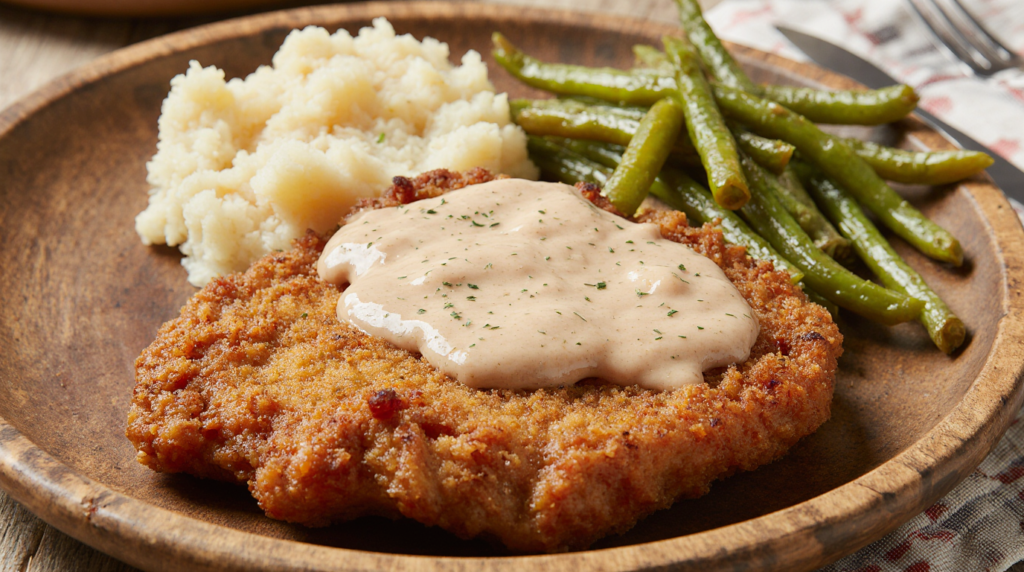
Let fried steaks rest on the wire rack for 3-5 minutes before serving. This brief rest allows the coating to set and become even crispier. The interior juices redistribute, ensuring every bite of your chicken fried steak stays moist.
Resting also prevents steam buildup that can make the bottom of your chicken fried steak soggy. The wire rack allows air circulation all around, maintaining that perfect crispy texture you worked hard to achieve.
Pro Tips for Perfect Chicken Fried Steak
These insider tips consistently produce exceptional chicken fried steak that rivals the best Southern diners:
Avoiding Common Chicken Fried Steak Mistakes
Don’t Skip the Double Dredge – The flour-buttermilk-flour progression is essential for chicken fried steak. Single-dredged steaks produce thin, wimpy coating that won’t stay crispy. That double flour layer creates the craggy, substantial crust that defines great chicken fried steak.
Maintain Proper Oil Temperature – Oil that’s too cool produces greasy, soggy chicken fried steak. Oil that’s too hot burns the coating before the meat cooks through. Keep oil between 350-375°F throughout frying. Use a thermometer—guessing leads to inconsistent chicken fried steak.
Don’t Overcrowd the Pan – Frying too many pieces at once drops the oil temperature dramatically, resulting in greasy chicken fried steak with pale, soft breading. Fry 1-2 pieces maximum depending on pan size. Patience produces crispy chicken fried steak; rushing creates disappointing results.
Let Breading Rest Before Frying – Immediately fried chicken fried steak often loses its coating in the oil. Letting breaded meat rest 5-10 minutes allows the flour to hydrate and the coating to adhere properly. This simple wait time dramatically improves coating adhesion on your chicken fried steak.
Use Fresh Oil – Old, repeatedly used oil absorbs off-flavors and has a lower smoke point, producing inferior chicken fried steak. Use fresh oil for each batch of chicken fried steak for the cleanest flavor and crispiest results.
Essential Tools for Chicken Fried Steak
- Meat Mallet – Tenderizing cube steak properly requires a proper meat mallet with both flat and textured sides. The textured side breaks down tough muscle fibers crucial for tender chicken fried steak. Don’t substitute with improvised tools—invest in a real meat mallet.
- Cast-Iron Skillet – Heavy cast iron maintains steady heat better than thin pans, producing evenly golden chicken fried steak. The 12-inch size accommodates 1-2 steaks comfortably. Cast iron’s heat retention means oil temperature doesn’t fluctuate wildly when you add cold meat for chicken fried steak.
- Instant-Read Thermometer – Essential for monitoring oil temperature for perfect chicken fried steak. Clip-on thermometers work great for frying. Consistent temperature produces consistent results in your chicken fried steak.
- Wire Cooling Rack – Keeps finished chicken fried steak crispy by allowing air circulation underneath. Cooling racks prevent steam from softening the bottom of your perfectly fried chicken fried steak.
- Deep-Fry Thermometer – If you make chicken fried steak regularly, a dedicated fry thermometer removes guesswork. Maintaining precise temperature is the difference between mediocre and magnificent chicken fried steak.
Storage & Reheating Chicken Fried Steak
Refrigerator – Store leftover chicken fried steak in airtight containers up to 3 days. Separate pieces with parchment paper to prevent coating from sticking together. The breading will soften in the fridge—reheating properly restores crispiness to chicken fried steak.
Freezer – Freeze cooked chicken fried steak up to 2 months. Wrap individual pieces tightly in plastic wrap, then place in freezer bags. Freeze gravy separately in containers. Frozen chicken fried steak reheats beautifully when done correctly.
Reheating for Crispy Results – Never microwave chicken fried steak if you want crispy coating. Instead, reheat in a 375°F oven on a wire rack over a baking sheet for 10-15 minutes until heated through and coating crisps up. This method restores most of the original texture to leftover chicken fried steak.
Make-Ahead Strategy – You can bread chicken fried steak up to 4 hours ahead. Store breaded (but unfried) steaks on a wire rack in the refrigerator. Fry when ready to serve. This prep-ahead approach makes chicken fried steak feasible for entertaining without last-minute stress.
Flavor Variations for Chicken Fried Steak
While traditional chicken fried steak is perfection, these variations add exciting twists to the classic:
Spicy Chicken Fried Steak
Add extra cayenne pepper to your seasoned flour—increase to 1-2 teaspoons for noticeable heat in your chicken fried steak. Mix hot sauce into the buttermilk for an extra layer of spice. Top finished chicken fried steak with jalapeño slices and drizzle with spicy comeback sauce instead of traditional gravy. These bold chicken fried steak variations satisfy heat lovers without overwhelming the dish.
Keto & Low-Carb Chicken Fried Steak
Replace all-purpose flour with almond flour or crushed pork rinds for breading low-carb chicken fried steak. The coating won’t be identical to traditional, but it still delivers satisfying crunch. Make keto gravy using heavy cream and a small amount of xanthan gum as thickener instead of flour-based roux. These modifications create chicken fried steak that fits low-carb eating plans.
Buttermilk Ranch Chicken Fried Steak
Add 2 tablespoons ranch seasoning powder to your flour mixture for ranch-flavored chicken fried steak. Make ranch gravy by stirring ranch seasoning into your finished country gravy. This variation appeals to kids and ranch lovers while maintaining the core appeal of chicken fried steak.
Italian-Style Chicken Fried Steak
Season flour with Italian herbs (oregano, basil, garlic powder) and add grated Parmesan to the breading for Italian chicken fried steak. After frying, top with marinara sauce and melted mozzarella instead of country gravy. Essentially, this transforms chicken fried steak into a schnitzel-parmigiana hybrid.
Nashville Hot Chicken Fried Steak
After frying chicken fried steak, brush with Nashville hot oil (cayenne-spiked oil) for intense heat and vibrant red color. Serve with pickle chips and white bread like authentic Nashville hot chicken. This fiery variation brings Tennessee hot chicken flavors to Texas-style chicken fried steak.
Garlic Herb Chicken Fried Steak
Add fresh minced garlic and dried herbs to your flour mixture for aromatic chicken fried steak. Make herb gravy by stirring fresh chopped parsley, thyme, and chives into finished country gravy. These additions create more complex, restaurant-style chicken fried steak.
Mexican-Inspired Chicken Fried Steak
Season flour with cumin, chili powder, and Mexican oregano for border-inspired chicken fried steak. Top with queso blanco or verde sauce instead of country gravy. Serve with refried beans and Spanish rice for a fusion take on chicken fried steak that brings Tex-Mex flair.
Mushroom Gravy Chicken Fried Steak
Make mushroom gravy instead of plain country gravy by sautéing sliced mushrooms in the butter before making your roux. The earthy mushrooms add depth and sophistication to classic chicken fried steak. This variation appeals to people who love rich, savory mushroom flavors.
Serving Suggestions for Chicken Fried Steak
Transform your chicken fried steak into a complete Southern feast with strategic side dish pairings:
Classic Side Dishes for Chicken Fried Steak
Creamy Mashed Potatoes are the quintessential pairing with chicken fried steak. The fluffy potatoes provide the perfect vehicle for soaking up extra country gravy. Make them extra-indulgent with butter, cream cheese, and sour cream. The richness complements the crispy chicken fried steak beautifully.
Green Beans add freshness and color to chicken fried steak plates. Prepare Southern-style green beans slow-cooked with bacon and onions, or keep it simple with buttered green beans and almond slivers. The vegetable cuts through the richness of fried chicken fried steak.
Coleslaw provides cool, crunchy contrast to hot, crispy chicken fried steak. Creamy coleslaw or tangy vinegar-based slaw both work. The acidity and crunch balance the heavy, fried nature of chicken fried steak perfectly.
Macaroni and Cheese creates an ultra-indulgent plate alongside chicken fried steak. The creamy, cheesy pasta complements the peppery gravy. This combination defines Southern comfort food at its most decadent—perfect for special occasion chicken fried steak dinners.
Biscuits or Texas toast complete the chicken fried steak experience. Use them to mop up every drop of country gravy on your plate. Warm, buttery bread is non-negotiable alongside chicken fried steak.
Fried Okra adds another crispy element to chicken fried steak plates. The crunchy, cornmeal-coated okra mirrors the texture of the steak’s coating. This all-fried plate represents peak Southern cooking.
Black-Eyed Peas or collard greens bring traditional Southern soul food sides to chicken fried steak dinners. These vegetables add nutrition and authentic regional flavor to your chicken fried steak feast.
Beverage Pairings for Chicken Fried Steak
Sweet Tea is the most traditional beverage with chicken fried steak in the South. The sweet, cold tea cuts through the rich, peppery gravy and refreshes your palate between bites of crispy chicken fried steak.
Beer pairs wonderfully with chicken fried steak—specifically, light lagers or pilsners. The carbonation and mild flavor cleanse your palate without overwhelming the dish. Cold beer and hot chicken fried steak is a perfect combination for casual dinners.
Red Wine might seem fancy for chicken fried steak, but a fruit-forward Zinfandel or Malbec complements the beef beautifully. The wine’s tannins cut through the gravy’s richness while the fruit notes enhance the peppery flavors in chicken fried steak.
Buttermilk to drink alongside chicken fried steak might seem unusual, but it’s traditionally Southern. The tangy buttermilk complements the flavors in the breading and gravy while providing a refreshing, probiotic-rich beverage.
Frequently Asked Questions About Chicken Fried Steak
Can I use frozen cube steak for chicken fried steak? Yes, but thaw it completely in the refrigerator first for successful chicken fried steak. Never bread and fry partially frozen meat—the interior won’t cook through while the exterior burns. Thawed cube steak performs identically to fresh in chicken fried steak recipes.
Why does my breading fall off during frying? Several factors cause breading to separate from chicken fried steak: meat wasn’t dried properly before breading, you skipped the resting period after breading, oil temperature was too low, or you flipped the steak too early. Ensure cube steak is bone dry, let breaded meat rest 10 minutes, maintain 350-375°F oil temperature, and don’t flip until the first side is golden brown for chicken fried steak that stays coated.
How do I fix overcooked, dry chicken fried steak? Overcooked chicken fried steak is challenging to salvage, but generous country gravy helps. Smother the dry steak completely in hot gravy and let it sit 5 minutes before serving. The gravy soaks into the meat slightly, restoring some moisture to overcooked chicken fried steak. Prevention is better—watch cooking time carefully and remove steak when just cooked through.
Is chicken fried steak safe for pregnant women? Yes, chicken fried steak is completely safe during pregnancy when cooked to 165°F internal temperature. The thorough cooking eliminates any food safety concerns. Some pregnant women avoid fried foods due to heartburn or nausea, but properly cooked chicken fried steak poses no safety risks.
What’s the difference between chicken fried steak and country fried steak? The names are often used interchangeably, but traditionally, chicken fried steak uses a buttermilk-egg coating producing craggy, crispy breading similar to fried chicken. Country fried steak typically uses just flour for a thinner, less crispy coating. The gravy is similar for both. This recipe creates authentic chicken fried steak with the crunchier, more substantial coating.
Can I bake chicken fried steak instead of frying? Baked chicken fried steak won’t achieve the same crispy texture as fried, but it’s healthier. Bread the steak as directed, place on a wire rack over a baking sheet, spray liberally with cooking spray, and bake at 400°F for 20-25 minutes, flipping halfway through. The coating will be crispy but not quite as crunchy as fried chicken fried steak.
How do I make gluten-free chicken fried steak? Substitute all-purpose flour with a 1:1 gluten-free flour blend in both the breading and gravy. The texture will be slightly different but still delicious. Rice flour also works for gluten-free chicken fried steak, though it creates a lighter, less substantial coating.
Why is my gravy lumpy? Lumpy gravy happens when you add milk too quickly to the roux or don’t whisk constantly. To fix lumpy chicken fried steak gravy, pour it through a fine-mesh strainer, pressing solids through with a spoon. To prevent lumps, always whisk constantly while adding milk gradually to your chicken fried steak gravy.
Can I make chicken fried steak ahead for a crowd? Bread the steaks up to 4 hours ahead and refrigerate. Fry them 30 minutes before serving and keep warm in a 200°F oven. Make gravy last, just before serving, for the best texture. This timing produces fresh-tasting chicken fried steak even when cooking for large groups.
What oil is best for frying chicken fried steak? Vegetable oil, canola oil, or peanut oil work best for chicken fried steak due to their high smoke points and neutral flavors. Avoid olive oil, which smokes at frying temperatures and imparts strong flavor. Use fresh oil for each batch of chicken fried steak for optimal results.
Conclusion
There you have it—everything you need to create restaurant-quality chicken fried steak in your own kitchen. This isn’t just another recipe; it’s a complete guide to mastering one of the South’s most beloved comfort foods. From selecting the perfect cube steak to achieving that impossibly crispy golden crust to making silky country gravy, you now have the knowledge that Southern cooks have perfected over generations.
The beauty of chicken fried steak lies in its accessibility. You don’t need expensive ingredients, fancy equipment, or culinary school training. You need quality cube steak, simple pantry ingredients, proper technique, and a willingness to embrace a little bit of mess in your kitchen. The reward? Crispy, peppery, gravy-drenched perfection that makes your family think you’ve been hiding your cooking skills all along.
Fire up your stove and try this chicken fried steak recipe tonight! Start with just one or two steaks to get comfortable with the process




Leave a Reply