Are you ready to take your barbecue game to the next level? Whether you’re a seasoned pitmaster or just firing up the grill for the first time, mastering the art of brisket rubs is essential for achieving that mouthwatering flavor everyone craves. In this post, we’ll guide you through an array of DIY Brisket Rub Recipes that will let you customize your flavor profile like a pro! From sweet and smoky to zesty and spicy, each recipe is designed to elevate your brisket to new heights. Get ready to unleash your inner chef as we explore unique combinations of herbs and spices that will have friends and family coming back for seconds—and thirds. Let’s dive into the world of flavors and find out how you can create the perfect rub tailored just for you!
Understanding the Importance of a Good Brisket Rub
When it comes to preparing the perfect brisket, one element can truly make or break your culinary masterpiece: the rub. A good brisket rub is more than just a blend of spices; it’s a symphony of flavors that enhances every bite. Whether you’re cooking for family gatherings, backyard barbecues, or simply indulging in some self-care with comfort food, mastering your brisket rub will elevate your skills and impress everyone at the table.
But what exactly goes into crafting an exceptional brisket rub? Understanding its importance is key. Your choice of ingredients can transform an ordinary cut of meat into something extraordinary. As we delve deeper into this flavorful world, you’ll discover how to customize your own blends like a pro. So roll up those sleeves and get ready to explore DIY brisket rub recipes that are sure to tantalize taste buds!
What Makes a Good Brisket Rub?
A good brisket rub is all about balance. It should harmonize savory, sweet, smoky, and spicy flavors to enhance the meat without overpowering it.
Key ingredients include salt, which enhances flavor and helps with moisture retention. Pepper adds a kick that complements the natural taste of the beef. Sweet elements like brown sugar provide caramelization during cooking.
Don’t forget herbs and spices. Garlic powder and onion powder contribute depth while paprika can introduce an irresistible smokiness.
Avoid common pitfalls like using too much salt or not letting your rub sit long enough on the meat before cooking. It’s essential to give those flavors time to meld into the brisket for a more robust outcome.
Experimentation is key; don’t be afraid to adjust ratios based on personal preferences or regional influences in barbecue styles!
- Key ingredients and their roles in creating flavor
When crafting a brisket rub, understanding key ingredients is essential to achieve the flavor profile you desire.
Salt serves as the foundation, enhancing natural flavors and tenderizing the meat. It draws out moisture while allowing other spices to penetrate deeply.
Pepper adds a kick. Black pepper brings heat, while white pepper offers a milder spice without overwhelming your palate.
Paprika introduces depth and color. Sweet paprika can balance smokiness, whereas smoked paprika infuses an intense flavor reminiscent of traditional BBQ.
Garlic and onion powders bring aromatic richness. They create layers of savory notes that complement the smoky essence of brisket beautifully.
Brown sugar or honey can add sweetness for those who enjoy contrast in their flavors. This touch caramelizes during cooking, creating a delightful crust on the meat’s surface.
Herbs like thyme or oregano offer freshness, rounding out your rub with earthy undertones that elevate every bite.
- Common mistakes to avoid when making a rub
One common mistake is not balancing flavors. Too much salt can overpower other ingredients, while too little might leave your rub bland. Aim for harmony among sweet, spicy, and savory elements.
Another pitfall is neglecting the quality of your spices. Freshly ground spices provide vibrant flavors that stale ones simply can’t match. Invest in high-quality seasonings to elevate your brisket rub.
Many forget to taste their mixture before applying it to the meat. A quick taste test can reveal whether you need more sweetness or heat.
Also, avoid making a massive batch without testing first. Small-scale experiments allow you to tweak ingredients until perfection is reached.
Lastly, don’t rush the process. A good rub takes time to develop its full flavor profile when applied properly and allowed to rest on the meat before cooking.
DIY Brisket Rub Recipes:
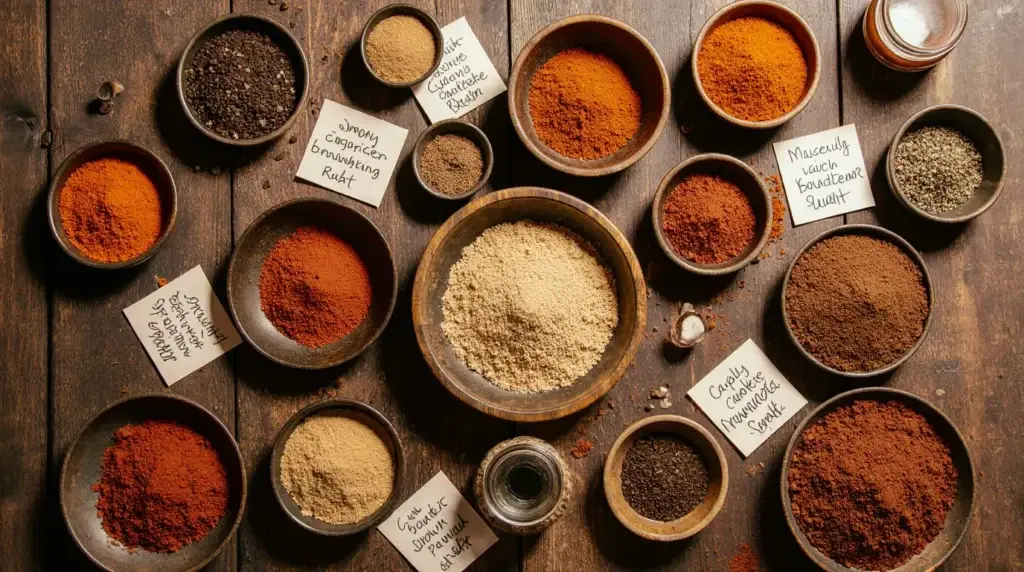
Crafting your own brisket rub is part art, part science. With just a few key ingredients, you can create flavors that tantalize the taste buds.
Start with the classic Texas-style brisket rub. Simple yet powerful, it typically includes kosher salt and black pepper as its foundation. Add garlic powder for depth and paprika for color.
If you crave something sweet with a kick, consider a sweet and spicy BBQ rub. Combine brown sugar with crushed red pepper flakes to balance sweetness with heat.
For those who enjoy smoky notes, try a smoky paprika rub. The rich flavor of smoked paprika paired with cumin creates an irresistible profile.
Lastly, explore tangy mustard-based rubs which add sharpness alongside traditional spices. Mustard not only enhances flavor but also helps other seasonings adhere better to meat.
Experimentation is key—these recipes are just starting points!
- Classic Texas-style Brisket Rub
Classic Texas-style brisket rub is a staple for any barbecue enthusiast. It embodies simplicity while delivering bold flavors. The primary ingredients include kosher salt, black pepper, and sometimes garlic powder or onion powder.
Salt enhances the meat’s natural flavor. Meanwhile, black pepper provides that perfect kick. It’s this balance that allows the brisket to shine without overpowering it.
The beauty of this rub lies in its versatility. You can easily adjust the ratios according to your taste preferences. Some might prefer an extra dash of pepper for heat, while others may want a hint of garlic for depth.
When using this rub, remember to apply it generously on all sides of the brisket. Letting it rest before cooking helps infuse those rich flavors into every bite—creating mouthwatering results you won’t forget anytime soon.
- Sweet and Spicy BBQ Rub
The Sweet and Spicy BBQ Rub strikes a perfect balance between heat and sweetness, making it a favorite among barbecue enthusiasts. This rub combines brown sugar with chili powder, creating a delightful caramelization on the brisket when cooked.
Adding cayenne pepper or crushed red pepper flakes introduces that spicy kick. It’s essential to adjust the amount based on your heat tolerance. A touch of garlic powder enhances the savory notes, while smoked paprika adds depth.
Mixing these ingredients creates layers of flavor that dance on your palate. When applied generously to your brisket, it forms a flavorful crust during cooking.
This rub pairs beautifully with classic sides like coleslaw or baked beans. Whether you’re grilling in the backyard or smoking low and slow, this combination ensures each bite is packed with vibrant taste sensations.
- Smoky Paprika Rub
The Smoky Paprika Rub is a game-changer for brisket enthusiasts. This rub balances the rich flavor of paprika with smoky undertones that elevate your meat to new heights.
Start with sweet smoked paprika as your base. It brings depth and complexity, making every bite memorable. Add garlic powder for its savory kick and onion powder to enhance the overall profile.
Cumin introduces an earthy note, while black pepper adds just enough heat without overwhelming the palate. A pinch of brown sugar can bring out a subtle sweetness that beautifully contrasts the spice.
Mix these ingredients well and let them meld together. The magic happens when you apply this rub generously on your brisket before cooking. Let it sit for at least an hour—or overnight if possible—to allow those flavors to penetrate deeply into the meat.
When cooked low and slow, this blend creates a beautiful crust that’s both flavorful and aromatic, leaving everyone wanting more!
- Tangy Mustard-based Rub
A tangy mustard-based rub brings a zesty twist to your brisket. The foundation of this rub is, unsurprisingly, mustard. It not only provides flavor but also acts as an adhesive for other spices.
Combine yellow mustard with brown sugar for sweetness and balance. Add garlic powder and onion powder to deepen the profile. A touch of smoked paprika delivers warmth without overpowering the tanginess.
For heat, consider cayenne or black pepper; they give it that extra kick. This combination creates a complex flavor that penetrates the meat beautifully during cooking.
Before applying, ensure your brisket is dry for better adhesion of the rub. Letting it sit allows those flavors to meld into every bite while you prepare for cooking bliss in the smoker or oven.
Tips for Creating Your Own Custom Brisket Rub
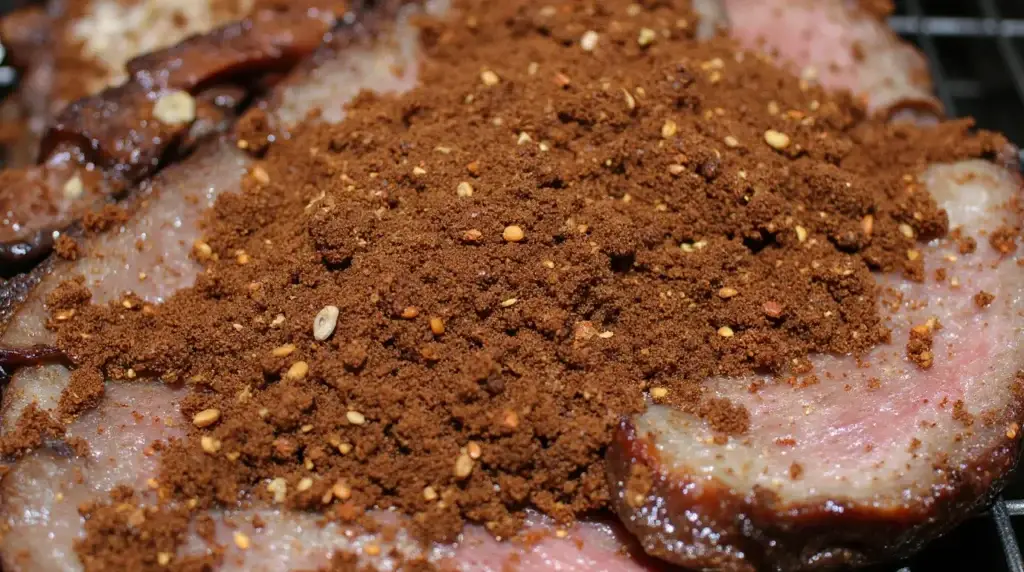
Start by selecting a base for your rub. Common choices include salt and black pepper, which provide a solid foundation. You can also experiment with garlic powder or onion powder for added depth.
Next, consider the balance of flavors. Incorporate sweet elements like brown sugar or molasses alongside spicy ingredients such as cayenne or chili powder. This contrast will elevate your brisket.
Don’t shy away from herbs and spices to personalize your mix. Freshly ground cumin adds warmth, while smoked paprika introduces an earthy tone that’s hard to resist.
Remember to taste test small batches before committing to larger quantities. Adjusting ratios can make a significant difference in flavor intensity.
Lastly, keep notes on what you create! Document each variation so you can replicate successful blends or tweak them further next time around. Your perfect brisket rub is just waiting to be discovered through experimentation!
Cooking Tips for Using Brisket Rubs:
Preparing your brisket is crucial for maximizing flavor. Start by trimming excess fat, leaving a thin layer to keep the meat moist during cooking. This balance will allow the rub to penetrate deeply while still achieving that perfect bark.
When applying the rub, be generous but not excessive. Ensure even coverage across all surfaces of the brisket. For best results, let it sit at room temperature for about an hour before cooking; this allows flavors to meld with the meat.
Consider different cooking methods based on your desired outcome. Smoking provides rich depth and complexity, while slow-roasting can yield tender perfection. Whichever method you choose, aim for low and slow—this helps break down tough fibers and enhances tenderness through time rather than high heat.
Monitor internal temperatures closely as you cook to achieve that ideal doneness without drying out your masterpiece.
- Preparing the brisket before adding the rub
Preparing the brisket is a crucial step that sets the stage for your rub to shine. Start by selecting a high-quality cut, ideally a whole packer brisket. This gives you both the flat and point sections, perfect for flavor.
Trim excess fat carefully, leaving about 1/4 inch of fat cap intact. This helps keep the meat moist during cooking while allowing flavors from the rub to penetrate.
Next, rinse and pat dry with paper towels. Removing moisture ensures that your brisket rub adheres properly, enhancing its effectiveness when it’s time to cook.
Many pitmasters recommend applying mustard or olive oil as a binder before sprinkling on your chosen blend. This not only helps lock in moisture but also forms a beautiful bark once cooked.
With your brisket prepped perfectly, it’s ready for that delicious rub application!
- Applying the rub and letting it sit
Once you have your brisket rub ready, it’s time to apply it like a pro. Start with a clean, dry brisket. Pat it down gently with paper towels to ensure the surface is moisture-free. This helps the rub adhere better.
Use your hands or a spice shaker to distribute an even layer of the rub over the meat. Make sure every inch gets covered; this enhances flavor penetration during cooking. Don’t forget those nooks and crannies.
After applying the rub, let it sit for at least one hour—ideally overnight in the fridge if you have time. This resting period allows flavors to meld into the meat deeply. The salt in your rub will draw out some moisture initially but will then work its magic by enhancing tenderness and taste as it absorbs back into the brisket.
Your patience now sets up for delicious results later on!
- Cooking methods for best results
When it comes to cooking brisket, the method you choose can elevate your dish from good to unforgettable. Low and slow is the mantra for achieving tender meat that melts in your mouth.
Smoking is a popular technique. It imparts a distinct flavor while allowing the brisket to cook evenly. Aim for a temperature around 225°F to 250°F, using wood like hickory or oak for an authentic touch.
If you’re short on time, consider oven roasting at a low temperature wrapped tightly in foil. This helps retain moisture and enhances flavor development without sacrificing tenderness.
For those craving convenience, using a slow cooker can yield impressive results too. Just prepare your rub, place the brisket inside with some broth, and let it work its magic over several hours.
Whichever method you pick, patience is key—great flavors take time to develop.
Experiment and Find
The world of brisket rubs is vast and full of flavor possibilities. Experimenting with different spices, herbs, and ratios can lead you to discover your perfect blend. Remember that the key ingredients play crucial roles in building flavor depth, so don’t shy away from trying unconventional combinations.
Take your time when applying the rub. Allow it to sit on the meat to really absorb those flavors before cooking. Each method—whether smoking or grilling—brings out unique characteristics in the brisket that can enhance your chosen rub.
Don’t be afraid to adjust recipes based on your personal taste preferences or what you have available in your pantry. The beauty of making a DIY brisket rub lies in its versatility. So roll up your sleeves, get creative, and enjoy every bite as you find that signature flavor profile that’s uniquely yours. Happy cooking!



Leave a Reply